
In an organized evaluation published in Joint Bone Back, scientists in the Faculty of Rehab Medication discovered that weight loss prior to surgical treatment might not be helpful for people with sophisticated knee osteo arthritis.
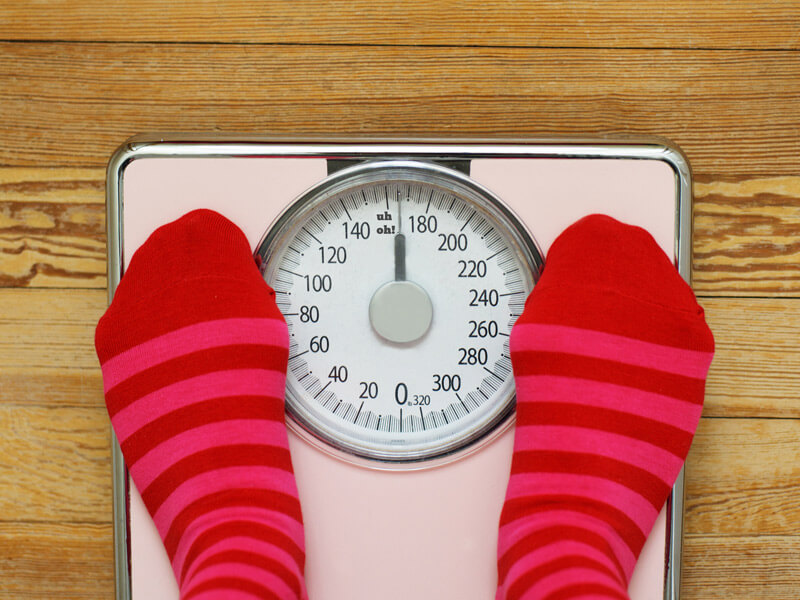
Medical specialists have actually long encouraged patients to reduce weight before knee surgical treatment. People living with excessive weight, specified by a body mass index (BMI) of 30 or higher, are specifically advised of surgical issues, threat of infection and poor outcomes due to their high BMI.
"While there's evidence that a higher BMI equals a potentially higher medical danger, that doesn't indicate that if a person reduces their BMI, even a point or 2, that it would certainly benefit them," claimed lead writer Kristine Godziuk, a postdoctoral fellow in the Department of Occupational Therapy.
The study group reviewed scientific method standards and various other clinically influential literary works from the previous ten years for proof that weight loss is practical for individuals. "We didn't find any," said Godziuk.
Osteoarthritis influences greater than 300 million individuals worldwide, with the knee being the most typical joint influenced. Factors like aging and also weight problems have raised the number of Canadians having knee replacements by greater than 22 per cent in the previous 5 years, with even more than 75,000 surgeries currently carried out each year.
The U of A research calls into question making use of BMI as a component of person results for orthopedic surgical treatment. As an example, people with greater BMIs are not eligible for knee replacement until they decrease their BMI or drop weight. Because of this, those patients invest more time on the waiting checklist, Godziuk claimed. Before the COVID-19 pandemic, wait times for knee surgery in Alberta balanced between 14 months and 2 years.
"Patients with a greater BMI wait even much longer because they're told to go try to shed weight first, so by the time they go to obtain surgical treatment they're maybe in even worse problem than if they had not attempted that first."
Weight prejudice is additionally at play. "It's extremely difficult to drop weight and keep it off," claimed Godziuk. Obesity is not a lifestyle choice yet a persistent condition that should not be measured by BMI, she claimed.
"We understand that age is connected with increased medical threat with knee substitute surgical procedure, yet we don't tell individuals, 'Well, you have to be more youthful than 70.' We do not do those cut-offs for age, yet we do them for BMI, which winds up producing this predisposition in accessibility to care."
Not just does making use of BMI as a component restriction surgical access, Godziuk claimed, but it can take the chance of clients' health and wellness, since short-term weight loss that can not be kept has couple of advantages, as well as can potentially be unsafe.
"We inform individuals to go shed weight, to lower their BMI, but it can be harmful to have that covering recommendation. What we're suggesting is that possibly we do not tell them to drop weight, but help them to avoid weight gain. Possibly that's a far better message to send out to people, and through that we can also support them to boost their body make-up and total wellness."
Godziuk, who began her job as a workout physiologist, claimed working in pediatric obesity helped her understand the requirement for more research study in this area.
"I might see clinically, when I collaborated with adolescents, that BMI was an inadequate step for them, and I recognize it's an inadequate action in adults. When we just depend on these straightforward metrics, I might see that there was this gap.





0 Comments